
VOICE DEMOS
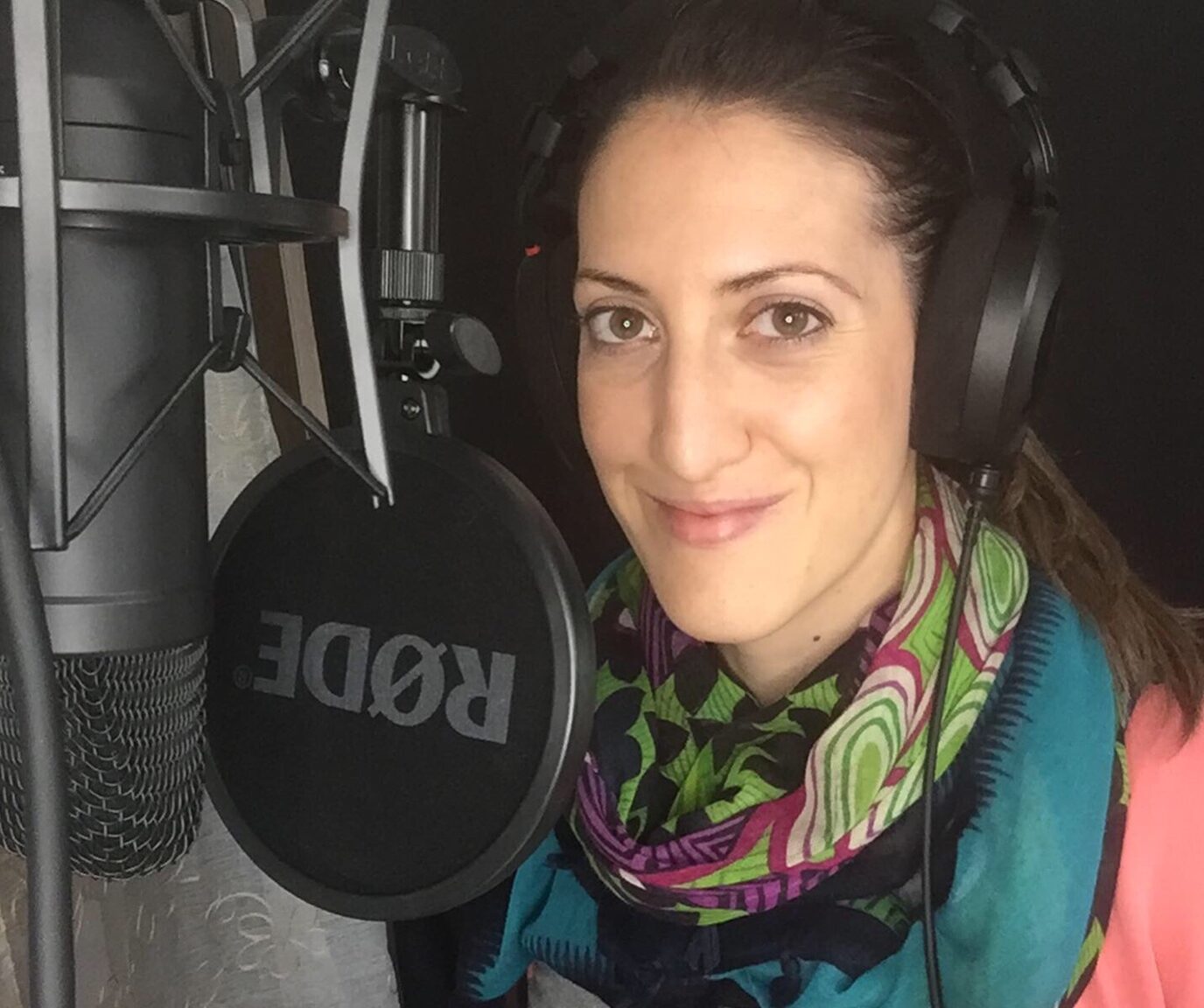
In this section, you can listen to a selection of voice demos representing the main areas in which I work.
Each track is designed to showcase my style, tone and narrative approach in a variety of contexts:
from cultural outreach and storytelling to corporate and institutional content.
DOCUMENTARIES
Narrator for cultural, historical and educational documentaries.
A restrained, authoritative and engaging style, designed to complement the images witout overshadowing them, whilst maintaining clarity and naturalness.
Voice-over narration is a fundamental element in the production of high-quality documentaries.
It does not merely read the script, but explains, evokes emotion and complements the images.
The voice in documentaries is an essential narrative element that lends authority, logic and emotional engagement to the visual narrative.
It guides the viewer, transforming the images into a coherent story.
It is a unique way of introducing us to places and realities that we cannot easily visit.
It must be characterised by clear and well-articulated narration.
It requires impeccable diction, the right pace and an appropriate tone.
A voice that maintains a steady pace and good fluency will make the listening experience more enjoyable and immersive for the viewer.
The narrator must be able to deliver the text without overburdening it, always maintaining a natural tone.
The right voice can make the difference between a documentary that captures the viewer’s attention and one that fails to engage them.
Extract from "The gulf of Salò" by M. Preti
AUDIO GUIDES
Clear, engaging and accessible narration, designed to showcase places, works of art and their contexts.
A voice transforms a space into an experience.
In audio guides, a professional narrator accompanies the visitor and makes the story clearer, more engaging and more memorable.
It is not simply a matter of reading aloud.
It is about awareness, rhytm and interpretation.
It is the ability to create a sense of presence and guide the listener, bringing out the best in content, spaces and itineraries.
For museums, cultural organisations and institutions working on local storytelling, the voice becomes a strategic tool:
it allows information to be conveyed effectively, without overwhelming the visual experience, enhances understanding and helps to create a more complete and accessible experience.
"Salò. Lake Garda in movies" by Lacus Film
E-LEARNING MODULES
Voice-over for video courses and online training platforms.
I adopt an approach that prioritises clarity of expression, combined with a warm and encouraging tone, to ensure that the delivery of information and content is as effective and enjoyable as possible.
A voice turns a video course into an experience.
An e-learning module is not just written content: a voice makes it clearer, more engaging and easier to follow.
The inclusion of a voice-over helps to hold the learner’s attention, simplifies concepts and improves understanding.
The human voice makes learning more direct and personal, overcoming the limitations of reading alone.
It is also an important tool for accessibility and makes content available to a wider audience.
A professional voice enhances the visual aspect, lightens the text and gives rhythm to the content.
Furthermore, the ability to work in multiple languages allows you to expand your audience and increase the value of the training project.
Italian language course
COMMERCIALS, CORPORATE AND INSTITUTIONAL VIDEOS
Voice over for corporate videos, presentations, institutional content and brand storytelling.
A professional, trustworthy tone that aligns with the project’s identity.
Voice over makes all the difference in corporate projects.
In company videos, a professional voice over does more than just explain.
It narrates, guides and sets the pace for the content.
It conveys values, clarifies even complex messages and creates a more direct connection with the listener.
A well-chosen voice:
– strengthens brand identity
– boosts credibility
– makes the content more memorable
Because it’s not just about the audio, but about how the message is perceived.
MyAcademy by Eurovita
PODCAST
AUDIOBOOKS
Lettura interpretata di testi narrativi e divulgativi.
Pongo particolare attenzione al ritmo, alla comprensione e all’ascolto, per restituire una narrazione fluida, immersiva e rispettosa del contenuto.
Telling a story in audiobooks means transforming the written text into a vivid auditory experience.
Narration goes beyond simply reading aloud: it brings characters, settings and emotional nuances to life, turning the story into a ‘miniature theatre’ in the listener’s mind.
The narrator creates an atmosphere, engages the listener emotionally and constructs fully-fledged soundscapes.
Narrating a book is a complex, unique and delicate task.
The true storyteller is the writer, and the narrator must serve the text and the author, conveying their style and voice.
Lending one’s voice to an audiobook requires skills in diction, breathing, acting and specific technical training.
The professional narrator conveys the author’s words directly to the listener’s ears.
But, unlike a synthetic voice, they add the emotional colour that the author has imbued in the story.
Extract from "Lolo the pig" by E. Hasler
Extract from "Birth is coming" by D. Lazzaro
Extract from "Traditional Chinese Medicine" by E. Vanni
VIDEOGAMES & ANIMATION
Voice acting for video games, films, animated series and narrative content.
My work combines vocal technique with acting, adapting to different registers.
Extract from "Mortal Kombat" (Li Mei)
IVR
The human voice in IVRs (Interactive Voice Response) enhances the user experience, making automated response systems sound warmer, more welcoming and more professional than synthetic voices.
Interactive Voice Response (IVR) is an automated telephone system that allows customers to choose from options in a voice menu and interact using voice and number keys.
When customers call an organisation’s customer service number, they hear a recorded voice asking them to choose from a range of options, such as language or department.
The IVR system then directs the caller to the appropriate representative or allows the customer to complete tasks themselves.
Voicemail messages are a fundamental form of contact, necessary for maintaining relationships with existing customers, but also for making the best possible impression on new ones.
They reduce waiting times.
They improve efficiency.
They give the organisation or company a more professional image.
It is therefore important that they are spoken with proper diction and that they are clear and well-articulated.
The choice of tone of voice should not be overlooked either, as it directly influences the perception of the brand.
Every project requires a different approach.
I tailor voice and intention to the content, the audience and the communication goal.